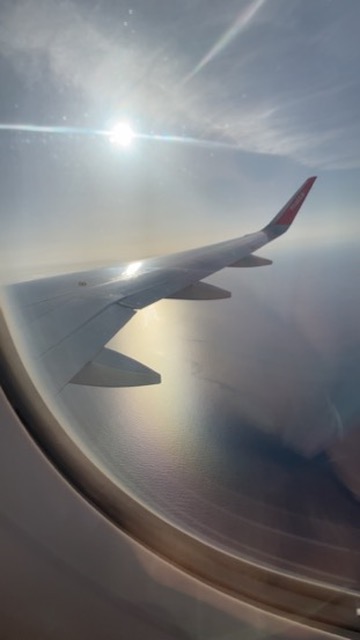
For many of us with disabilities and chronic illnesses, the idea of travel can feel like an impossible dream. Our bodies can feel so limited that travel and adventure seem like privileges we’ve been robbed of. Especially solo travel—it often feels out of reach. But here’s the thing: traveling can be accessible to everyone, regardless of what our bodies can (or can’t) do.
One of my most profound travel experiences happened in 2017, when I took a solo trip to Tarkio, Montana, to go whitewater kayaking with a group of strangers. I still remember that plane ride—the absolute terror I felt. It was an eight-hour flight from Chicago, and the entire time I kept asking myself, “What the hell are you doing?!”
But to my surprise, that trip to Montana did more than just challenge my mind—it showed me what my body was capable of. I discovered that I was far stronger than I thought. [You can read more about my Tarkio trip here.] As my first solo adventure with my disability, it became the turning point that taught me my body could keep up—especially with the help of my high-tech prosthetic.
A few years before that, right before my second cancer diagnosis, I went to Disney World. At that point in my life, I was deeply ashamed of my missing leg. If you’ve ever been to Disney World, you know it’s a nonstop marathon of walking—hiking for at least eight hours. And who goes to the parks and doesn’t spend the whole day there? We had tickets to all three major parks, so I knew there was a lot of walking ahead. At the time, my body wasn’t as strong as it is now, or even as strong as it was when I went to Tarkio.
I was walking on an outdated hydraulic leg that was way past its “shelf life,” which caused my left knee to develop bursitis. For those who don’t know, bursitis is when the pad behind your knee becomes inflamed. Mine got so bad that the pain radiated down to my ankle and up to my hip and back. It was brutal. I tried everything to manage the pain—knee and ankle braces, good walking shoes, breaking up the days with rest—but I still didn’t use any disability accommodations I was entitled to. And it wasn’t just at the park; it was also at the airport flying into Florida from Chicago.
I was too ashamed to ask for help, even though I was clearly struggling. I remember one day at the park, while I was dancing with Chip and Dale, a woman in an electric scooter came up to me and asked, “Why didn’t you get a wheelchair or a scooter?” At first, I was taken aback. How dare she comment on my disability? But she dropped a nugget of wisdom that would stick with me for life. She introduced me to the Spoon Theory, which completely changed the way I viewed my body and my abilities.
The Spoon Theory is a way for people with disabilities to measure their energy and stamina. It’s a system that assigns a “spoon” to every task or activity, representing how much energy it takes. We all have a set amount of spoons to use in a day, and some tasks deplete them faster than others. Think of it like your stamina bar in a video game.
For example, if you only have 20 spoons for the week, a trip to the grocery store might cost you five spoons, leaving you with 15 for the rest of the week. The more tasks you do, the more spoons you use. At Disney, I was probably starting the week with about 50 spoons. Each day at the park took around 20 spoons, so by the third park, I was running on empty. If I had used the accommodations available—wheelchair assistance and disability lines—I could have saved spoons and had more energy to enjoy the parks. Instead, I spent the days in pain, my bursitis flaring up, my residual limb sore, and feeling miserable.
So why didn’t I use those services? Simple: I was ableist against myself. I grew up being taught that my leg wasn’t a reason to get extra help. In fact, it was frowned upon. I was raised to believe I didn’t have a disability, even though my leg was as obviously missing as the sky is blue. I played sports—cheerleading, basketball—but that didn’t make me “non-disabled.” If anything, it just showed how determined I was to push through, despite my disability.
Because of this mindset, I didn’t claim the disability identity I was entitled to. I was embarrassed to ask for help, even when I needed it. It wasn’t that I mistreated others with disabilities—I just mistreated myself.
Fast forward to my trip to Tarkio. I’ll never forget arriving at the airport. It wasn’t my first time walking through an airport, but it was my first time walking to this gate—the one that was a 20-minute walk from security. The stress of navigating security alone, with no one to confirm my disability, was overwhelming. I had to endure some pretty demeaning situations: being asked to remove my leg in the middle of the airport and having strangers touch my prosthetic out of curiosity or, frankly, just because they were being creeps. [I’m looking at you, Montana airport.]
But I didn’t learn my lesson right away. I still hated myself and my missing leg, so I didn’t ask for help.
My first international solo trip was to Ghana, West Africa. While I wasn’t as ableist as I once was, I still didn’t ask for assistance. It wasn’t until I had to drag my bags through an airport in Paris, heading to my gate, that I realized I couldn’t do this anymore. I saw a cart whiz by, carrying people with disabilities, and I asked, “What do I have to do to get that assistance?” The answer? Book it when you buy your ticket. I had no idea that was even an option.
So for my next trip to Ghana, 10 months later, I made sure to request assistance. It made a world of difference. I didn’t have to walk long distances to my gate, didn’t have to stand in long immigration lines, and didn’t have to exhaust myself. I saved my spoons and was able to enjoy my travels much more.
For years, I denied myself the help I was entitled to because I was ashamed of my disability. But I’ve learned that asking for assistance doesn’t make me weak; it makes me stronger. It takes a lot of courage to ask for help, and once I did, I was surprised at how accessible airports and planes are.
Here’s what I do now to make travel easier:
- Book wheelchair assistance – I do this as soon as I book my flight (or at least 7 days before). I can choose how much assistance I need, but I usually ask for help to and from my gate, and to the plane. Pre-boarding is a game-changer for me.
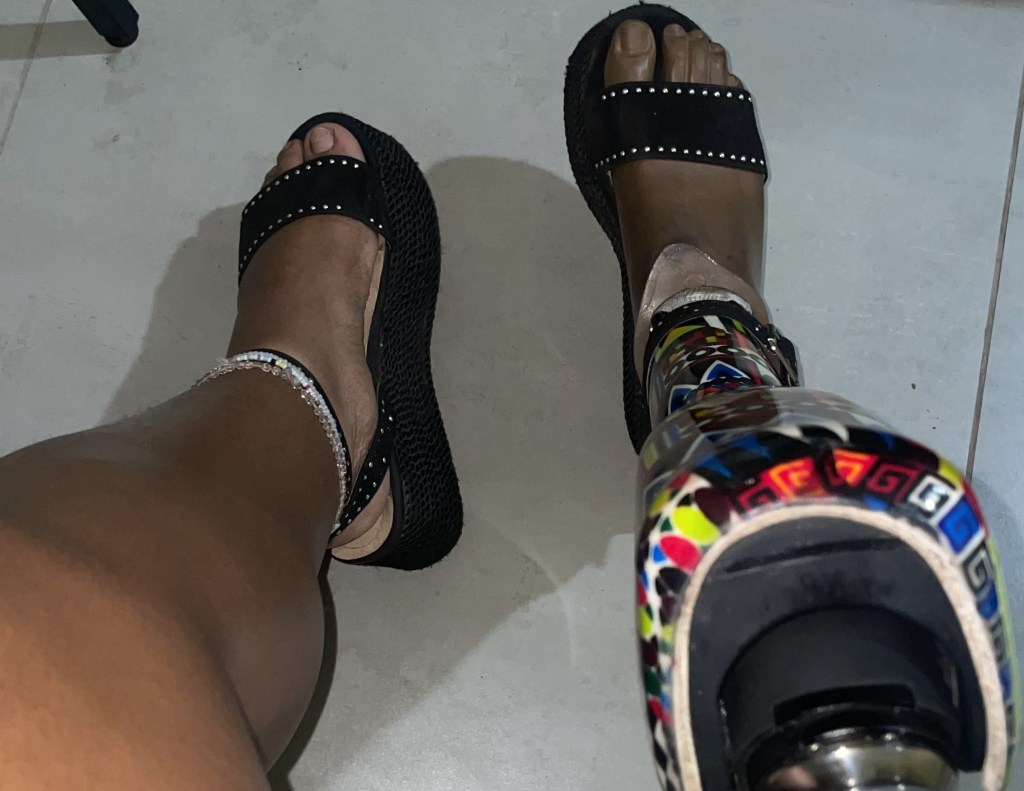
- Request a specific seat – I’ve learned that the pressure from being in the air can cause my residual limb to swell, making my prosthetic too tight. If I have to remove my leg, I want to make sure it won’t fall on someone. So I always request a window seat on the right side of the plane, so I can keep my leg safe and comfortable.
- Request assistance through immigration – I travel internationally a lot, and standing in long immigration lines can be brutal. I make sure to request assistance to avoid the pain of standing for hours.
- Know the rules and regulations – It’s essential to familiarize myself with my rights and privileges before traveling. Different airlines, airports, and countries may have varying rules regarding disability accommodations, but knowing them ensures that I’m not caught off guard. Always check ahead and ask questions if you’re unsure about what you’re entitled to.
These tips aren’t just for air travel—they apply to all forms of transportation, whether you’re taking a train, bus, or even a taxi. Accessibility is everywhere, but it’s up to you to reach out and learn how to navigate it. Don’t hesitate to ask for more information about the services available to you. It’s not just about making things easier; it’s about making sure you’re traveling the way you deserve to—comfortably, confidently, and with the support you need.
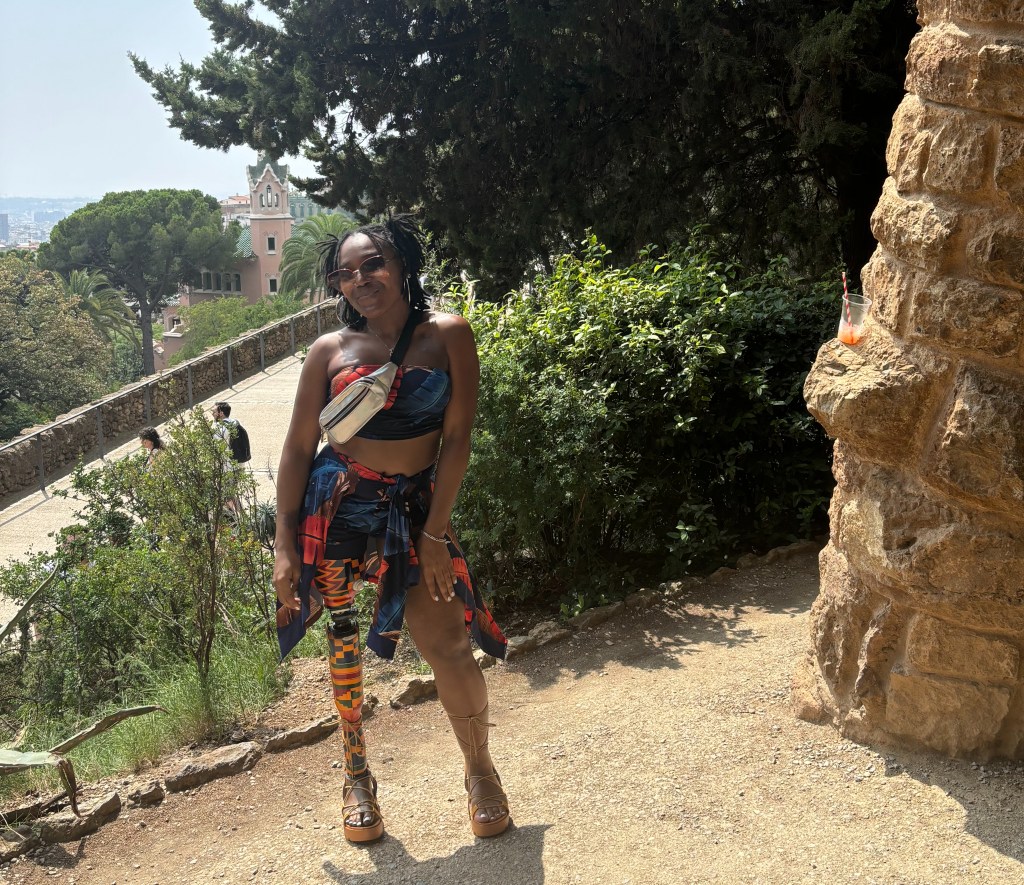
I want to remind myself—and everyone reading this—that travel isn’t a privilege, but a right. We all deserve to explore the world, meet new people, experience different cultures, and see what’s out there, regardless of our bodies’ limitations or abilities. It’s not about pushing ourselves past our limits just to prove we can; it’s about learning how to navigate the world on our terms.
The key takeaway? Don’t be afraid to ask for help. Don’t be afraid to claim the accommodations you need. The world can be a more accessible place than we think—it just takes a little openness to the tools available to us. Travel isn’t about conforming to an ideal; it’s about enjoying the journey, and that includes knowing when to ask for support, and the kind you need along the way.
So, if you’re someone with a disability or chronic illness, or anyone for that matter, and travel feels like a distant dream, I want to encourage you: don’t let anything—especially self-doubt—hold you back. Whether it’s a weekend getaway or a journey across the globe, take that leap. And when you do, make sure you have all the support you need. Your adventure is waiting. 🌍✈️
Let this be your invitation to not only explore the world but to reclaim the power and freedom that’s always been yours to embrace.


 Authentically Christine
Leave a comment