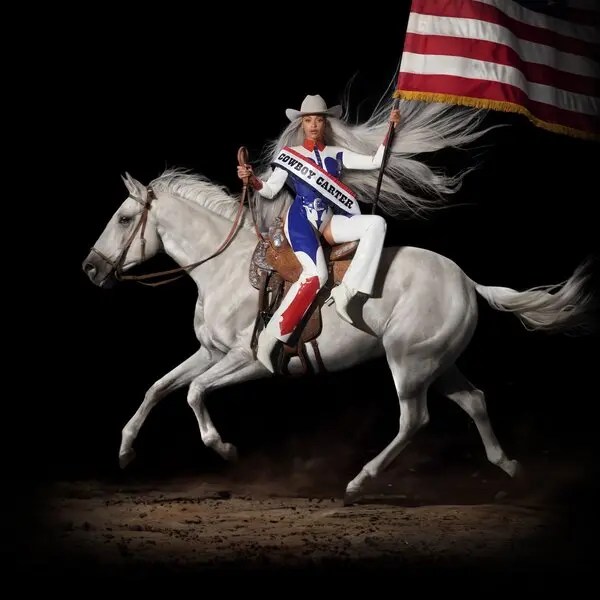
Beyoncé Giselle Knowles-Carter is a woman who has spent her entire life devoted to her craft. Anyone who can still doubt her talent with their full chest — especially as a Black woman — is projecting something deeper, something they haven’t unpacked about themselves.
I’ve always had Beyoncé’s music in my life. Even if I wasn’t a Beyhiver or rushing to be a part of her tours, her voice followed me through childhood, adolescence, heartbreak, growth, and rebirth. Whether I knew it at the time or not, Beyoncé’s music was there. The songs played as I navigated betrayal. Her voice echoed in the background when I stood up for myself, when I broke down, when I tried again.
I didn’t rediscover her. I never lost her. From “Bills, Bills, Bills” to “Soldier,” “Me, Myself and I,” “Irreplaceable,” and “Halo” — these weren’t just songs. They were there when I spent most of the school year in ISS, locked away after having had enough of being bullied. From outside, the gym speakers played B’Day on repeat. I remember hearing those tracks every day — they kept my fire high. Her voice gave me permission to fight back. To hold my ground… and I did.
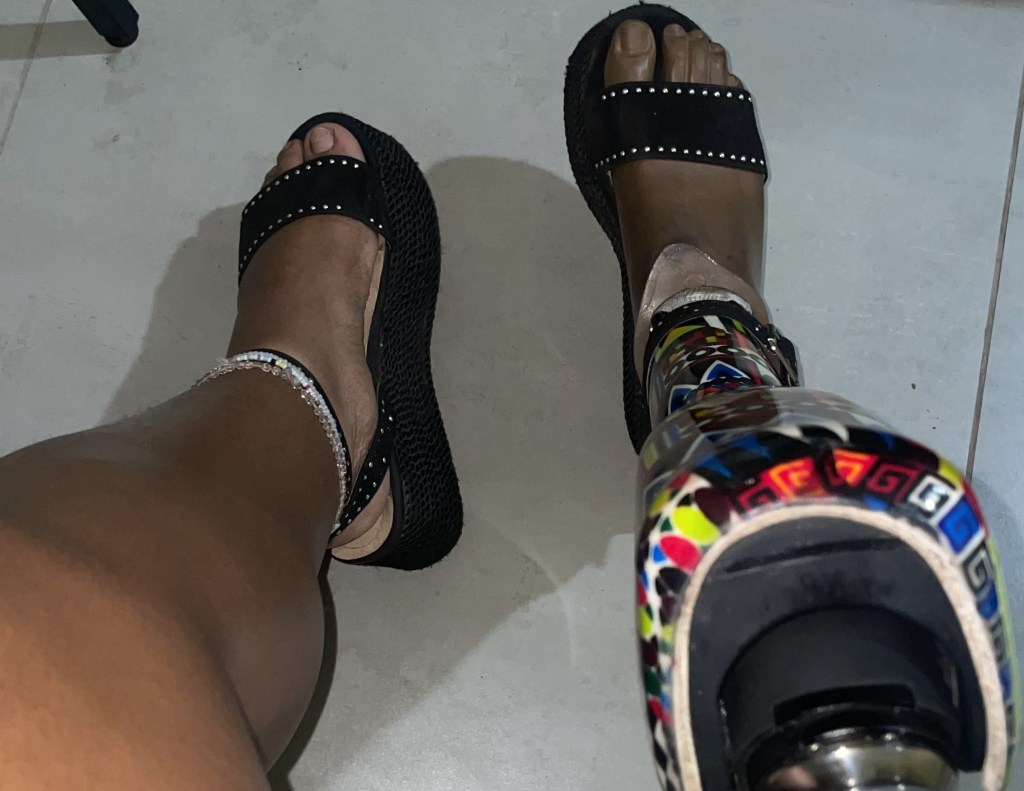
Later, I found myself recovering from surgeries, washing dishes while balancing on crutches, belting out “Diva,” “Halo,” “If I Were a Boy.” Her lyrics felt personal, like she knew what I was going through even when I couldn’t say it aloud. Then I started dating, and suddenly 4, Beyoncé, and Lemonade weren’t just albums — they were mirrors. I remember at some point even leaving my own “note in the hallway.” I didn’t have millions to escape like she did, but I got away — piece by piece. And those albums helped.
On my first trip to Ghana, I didn’t have Wi-Fi. No local currency. No anything. But I had Black Is King downloaded on my iPad. I watched it for the first time in Accra. That moment — that image of Black royalty, ancestral memory, and creative freedom — has never left me.
But still, I didn’t quite call myself a member of the Beyhive. I saw them, respected them. But I hadn’t yet seen myself in that space. Not until Cowboy Carter — and not until Blue Ivy.
It wasn’t Beyoncé’s vocals or visuals that hit me first with this new album, though they were stunning. It was her love for her daughter. The way she protects, uplifts, and guides Blue through a world that judged her before she could even speak. That kind of love — I’ve never experienced it. I didn’t grow up with it. It isn’t something I’ve ever seen up close. Watching Beyoncé love her child(ren) out loud has been deeply healing to me. It’s the kind of healing you don’t expect. The kind that surprises you.
When the song “Blue” first came out, it took time before I fully understood the lyrics. At first, I thought it was about her husband. I wasn’t used to seeing that kind of maternal love. As my own mother would chase a man around the world fifty times before investing any kind of love into me. So when I saw Beyoncé write songs for Blue, put her in videos, and dedicate her life to being a “mom” — it spoke volumes. Then came “Brown Skin Girl,” and something cracked open. She was singing to her daughter, but somehow I heard my younger self in the lyrics. She wasn’t just talking to Blue. She was talking to little girls like me. To the Black, disabled, overlooked, and outcasted — the ones told they’d never be loved, nor be worthy of it.
When videos started circulating of the “Déjà Vu” opening on the Cowboy Carter Tour, her presence — her confidence — was undeniable. At first, I thought it was Beyoncé. But it was Blue Ivy. It was like she was born to take up and command space, and she was being encouraged, supported, and loved through it. That’s when it all came together for me. This is what a mother’s love does — through protection, encouragement, and unwavering belief.
And so I started going back, revisiting everything Beyoncé has made about her daughter. I watched their moments, listened to the lyrics again. I cried. I saw how her love for Blue Ivy radiates through everything. Watching this play out online and seeing snippets of Blue perform during the first few shows has transformed Cowboy Carter into something entirely different for me. It stopped being just a musical masterpiece—it became a spiritual one. A maternal one. A message.
The first time I played Cowboy Carter, not just the singles but the whole album, I felt something shift. “American Requiem” opened like a prayer, and I was captivated. From “Blackbird,” “16 Carriages,” “Protector,” “My Rose,” to “Texas Hold ‘Em,” “Bodyguard,” “Daughter,” “Spaghetti,” “Alligator Tears,” “Levii’s Jeans,” and “Flamenco.” Leading up to “Ya Ya,” “Desert Eagle,” “II Hands II Heaven,” “Tyrant,” “Sweet Honey Buckin,” and closing with “Amen.” Track after track, after track, it felt like I was listening to a letter to Black womanhood — to the past, to the future, to the mothers and daughters and freedom-fighters and dreamers.
To me, Cowboy Carter is not just the Album of the Year — it’s become a daily affirmation.
Through Cowboy Carter, Beyoncé speaks directly to the little Black girl who grew up in a racist country, to the woman who has loved so deeply and still been betrayed, to the mother in me who mourns and still dreams of what’s possible. Cowboy Carter didn’t just meet me where I was — it called me forward, reminding me what I had forgotten.
Now, after all these years, I can say it proudly: I am a Beyhiver, for life. No other artist has followed me across decades of growth, whose voice has been there in the background of every stage of my life, encouraging me to be who I’ve been and who I’m becoming. This isn’t just music. It’s an Anthem. A soul cry. A spiritual.
And seeing how Beyoncé pours that same power into her children — how she passes on strength, joy, and freedom — it changed how I see her. It changed how I see myself. The love she shows them is the kind of love I never received, but I hope I will in some way. But through her, I’ve witnessed it. And witnessing it has been enough to start healing the child in me who thought she’d never see it at all.
And it is with this understanding that I came to the realization: just listening to this album is no longer enough. Watching Beyoncé perform this album from afar, online, isn’t enough. I have to witness her creative magic through my own eyes — taking in all the healing, power, and positive energy in that room that is meant to uplift and propel the voices, love, and woes of Black women and men.
So, I need to be there. I need to feel it. I need to see this hardworking mom of three and wife — her artistic talent — live, in person.
So, Beyoncé, Blue Ivy, Rumi, and the Cowboy Carter crew —
I’ll see you soon. In Paris. xoxo


 Authentically Christine
Leave a comment